Vape Meaning: A UK Shopper’s Cross-Market View
If you are a UK vaper browsing an overseas retailer, you might wonder whether the word “vape” means the same thing in Kenya as it does at home. The short answer is yes: in Kenya, as in the UK, “vape” refers to an electronic device that heats a liquid (usually containing nicotine, flavourings and a carrier such as propylene glycol or vegetable glycerine) to produce an aerosol that the adult user inhales. The term covers disposables, pod kits, refillable pens and the liquids that go with them. What differs is not the core meaning but the retail vocabulary, the product mix and the way people search for a vape in kenya.
This cross-market view is written for British adult readers who want a plain definition first, then a side-by-side note on how UK and Kenyan shoppers talk about the same products. It is not a buying guide for minors, and it does not suggest that vaping is harmless. Nicotine is addictive, and UK rules on age of sale and advertising are stricter than many shoppers assume.
What “vape” means in plain English
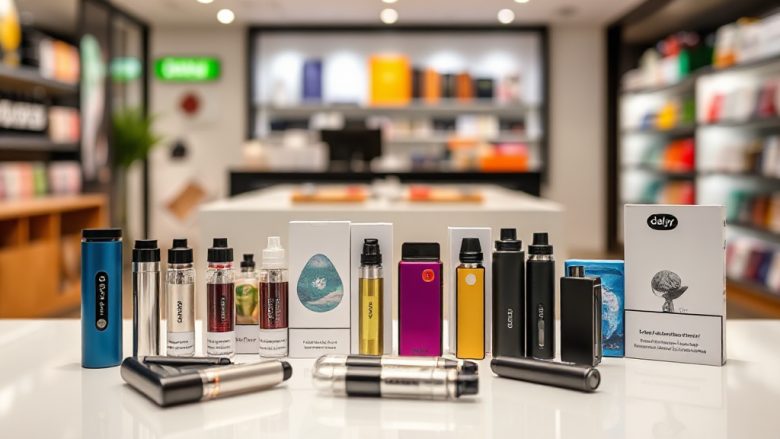
At its simplest, a vape is a battery-powered device that turns e-liquid into an inhalable aerosol. The word works as a noun (“I bought a new vape”), a verb (“to vape”) and a loose category label (“the vape market”). In both the UK and Kenya, the same word covers a disposable device that is thrown away when the liquid or battery runs out, a pod kit with replaceable cartridges, and a refillable tank system that uses separate coils and bottles of e-liquid.
That broad meaning is why the phrase what is the meaning of vape returns so many different explanations online. Some pages describe only disposables, others only refillable hardware, and a few confuse the device with the liquid. For a UK reader, the cleanest definition is: vape = the hardware; e-liquid = the consumable. A pod kit and a bottle of 10 ml e-liquid are two different purchases, even though shops often display them together.
The word also carries a legal meaning. In the UK, vapes are regulated as consumer nicotine products, with an age-of-sale restriction of 18 and limits on tank size and nicotine strength. In Kenya, retailers such as Dally Vapes state that they do not sell to under-18s and publish a nicotine addiction warning. The vocabulary may travel, but the rules do not travel with it, so an adult shopper should always check the local retailer’s terms.
UK vs Kenya: how the same products are described
British vapers tend to use a compact set of retail words: “disposable”, “pod kit”, “shortfill”, “nic salt”, “coil”, “510 thread” and “TPD-compliant”. Kenyan listings often use the same English terms but add local search phrases such as “vape near me”, “vape shop Nairobi” and “vape price in Kenya”. The underlying products are recognisable, but the way people find them is different.
Vocabulary side by side
| UK shopper says | Kenyan shopper often says | What it refers to |
|---|---|---|
| Disposable vape | Disposable vape / puff bar | A sealed device discarded after use |
| Pod kit | Pod system / pod kit | A battery with replaceable or refillable pods |
| Shortfill | E-liquid / juice | Larger bottle of nicotine-free liquid, usually with a shot space |
| Nic salt | Nic salt / salt nicotine | A smoother nicotine formulation for pod devices |
| Vape shop | Vape shop / vape shops Nairobi | A physical or online retailer |
One practical difference is how people ask for a local retailer. A UK adult might type “vape shop near me” and expect a high-street store within walking distance. A Kenyan adult searching vape shop near me may be looking for a delivery option across Nairobi rather than a shop they can walk into. That is why online retailers in Kenya often emphasise countrywide delivery and clear product photos rather than a map pin.
Another difference is brand shorthand. UK shoppers know disposable brands by name, and the phrase elf bar is widely used as a generic label for a type of small disposable device. In Kenya, the same brand name appears in listings, but it sits alongside many other disposable and pod brands. A UK reader should treat brand names as product labels, not as a guarantee that the device is identical to the UK version.
What adult shoppers actually compare
Once the definition is clear, the next question is what to compare. In both markets, adult vapers look at device type, nicotine strength, coil or pod availability, flavour range and total running cost. The vocabulary differs, but the trade-offs are the same.
Device type and running cost
A disposable vape is the simplest purchase: no charging, no refilling, no coil changes. The trade-off is cost per puff and waste. A refillable pod kit costs more upfront but usually works out cheaper over weeks because you replace only the pod or coil and buy e-liquid separately. A UK shopper used to shortfills may be surprised that Kenyan listings often focus on smaller bottles and pod-friendly strengths, which suits the device mix on sale. meaning of vape
Price searches are a good example of how wording changes. A UK reader might ask “how much is a vape?” and expect a single figure. In Kenya, the query is often phrased as how much is vape in kenya or vape price in kenya, because shoppers are comparing imported stock, delivery fees and device type at the same time. There is no single national price: a basic disposable, a pod kit and a refillable pen sit in different price bands.
The same applies to hardware. A vape pen price in kenya search usually returns starter-style pens and simple pod devices, while a vape shop listing may include accessories such as coils, pods and cases. For a UK reader, the useful habit is to compare the cost of the device plus a month of consumables, not just the sticker price of the battery.
Flavours and nicotine strength
Flavour names travel well. Fruit, menthol, tobacco and dessert profiles appear in both markets, and the phrase vape flavours is used the same way in UK and Kenyan searches. What changes is the strength labelling and the bottle size. UK shoppers are used to 10 ml bottles and strength limits; Kenyan listings may show a wider range of disposable strengths, so an adult should read the label rather than assume a familiar number.
Nicotine strength is the one area where cross-market assumptions cause the most mistakes. A device that feels mild in one market may be stronger or weaker in another, and disposable puff counts are not a reliable guide to nicotine intake. Always check the stated strength on the device or bottle and treat unfamiliar brands with the same caution you would at home.
Finding a retailer and avoiding common mistakes
The clearest cross-market lesson is that search phrases are local. A UK adult typing vape near me expects a nearby shop, while a Kenyan adult may be served by an online store with delivery. Retailers such as Dally Vapes in Nairobi list disposable and refillable devices, e-liquids, pod kits and accessories, and state that they deliver across Kenya. That model is closer to a UK online vape retailer than to a high-street counter.
Common mistakes are similar in both markets. Adults buy a device without checking whether replacement pods are available; they assume a disposable brand name means the same specification everywhere; and they ignore delivery costs when comparing prices. A further mistake is treating a foreign listing as if it were governed by UK rules. Age limits, labelling and product restrictions are set by the country of sale, so a UK reader should verify the local retailer’s terms before ordering or recommending a store.
For readers who want to understand the local retail scene rather than buy, the useful phrases are vape shops nairobi and vapes nairobi. These searches show how Kenyan retailers present stock: device photos, flavour lists, pod compatibility and delivery notes. The vape meaning does not change across borders, but the shopping context does, and that context is what a UK reader needs to interpret an overseas listing correctly.
FAQ: cross-market vape questions
Does “vape” mean the same thing in Kenya as in the UK?
Yes. In both countries, “vape” refers to an electronic device that heats e-liquid for inhalation. The word covers disposables, pod kits and refillable systems. The difference is in retail vocabulary and local search habits, not in the core definition.
Why do Kenyan listings use phrases like “vape price in Kenya”?
Because shoppers are comparing device type, imported stock and delivery costs at the same time. A single national price does not exist, so listings and searches often include the country name to narrow results. UK shoppers do the same with “UK” or a town name.
Is a disposable brand name a guarantee of the same product in both markets?
No. Brand names such as Elf Bar appear in both UK and Kenyan listings, but specifications, strengths and packaging can differ by market. Treat the brand name as a label and check the stated nicotine strength and device details.
What should a UK adult check before using an overseas vape retailer?
Check the age-of-sale policy, the nicotine warning, delivery terms and whether replacement pods or coils are available. Do not assume UK product limits apply abroad. If you are not the intended adult buyer, do not order.